Restaurant owners heading into 2026 are not short on advice, but they are drowning in advice that does not match how restaurants actually function. Every week there is a new tactic, a new platform, or a new “must-do” trend being pushed as the answer to slow nights and rising costs. Most of it ignores the reality of staffing, food margins, and the simple challenge of filling seats consistently. What restaurant owners need is not more noise, but clearer thinking.
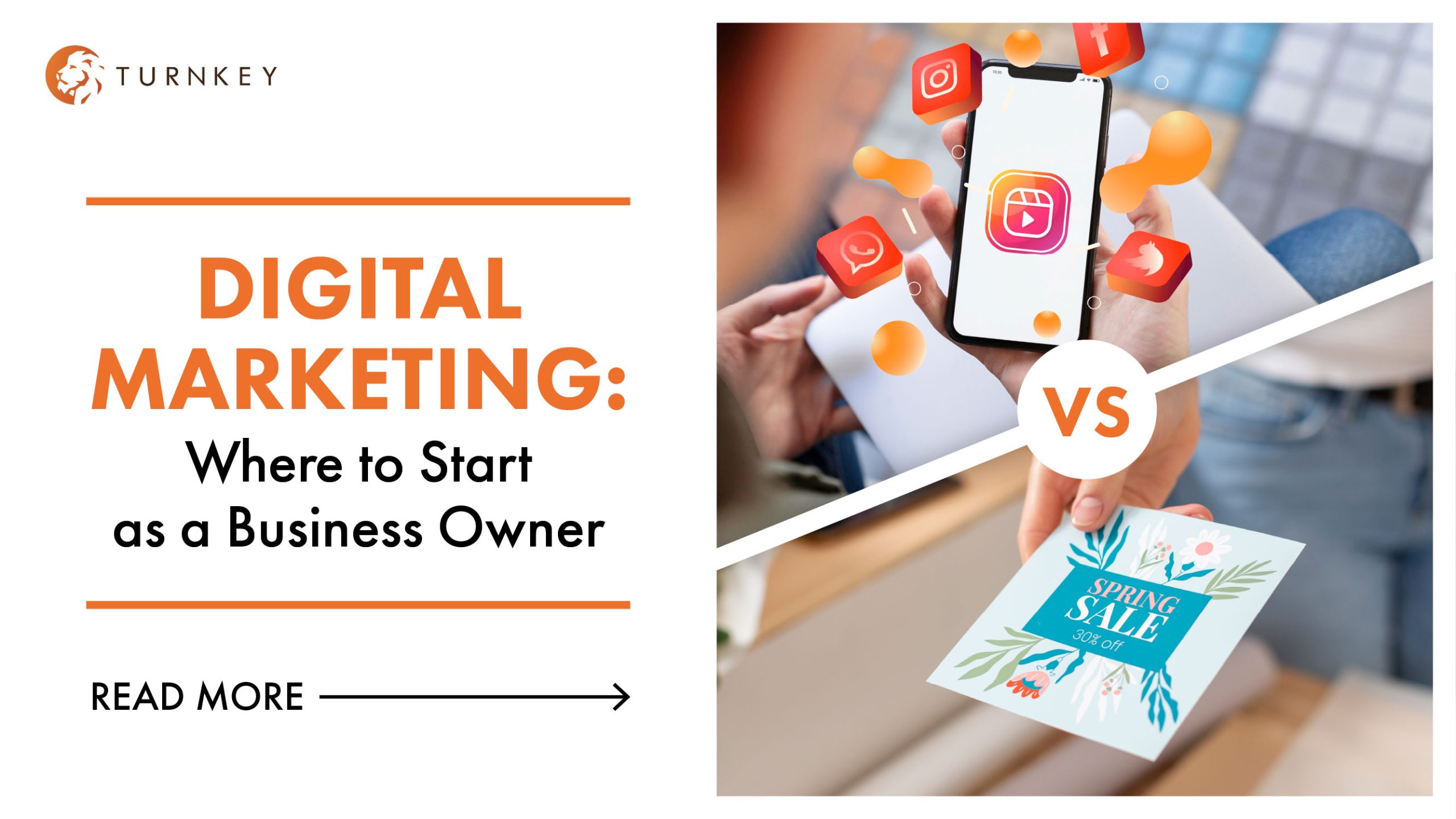
The most common advice revolves around social media. Post more. Be more engaging. Chase attention and hope it turns into foot traffic. The uncomfortable truth is that social media on its own rarely generates consistent walk-in business. It works best when it supports something real and time-bound, not when it is treated as the main growth engine.
Social media succeeds when it functions as an invitation, not a substitute for a plan. Special menus, rare bottle openings, guest chefs, and limited-run experiences give people a reason to show up now instead of later. When those experiences are promoted properly, social media amplifies urgency rather than trying to invent interest. Without that anchor, most posts simply fade into the scroll.
Most restaurants in a moderately good location already have awareness, whether they realize it or not. People walk by, search nearby options, and ask friends where to eat. The real challenge in Restaurant Marketing and Restaurant Sales is not creating attention from nothing. It is converting the attention you already have into predictable, repeat business.
That conversion starts with the first stage of the marketing funnel: awareness done correctly. A restaurant website should immediately communicate what kind of food you serve, what the experience feels like, and how to eat there. Speed, clarity, and simplicity matter more than clever design or long stories. Confusion costs you customers before they ever step inside.
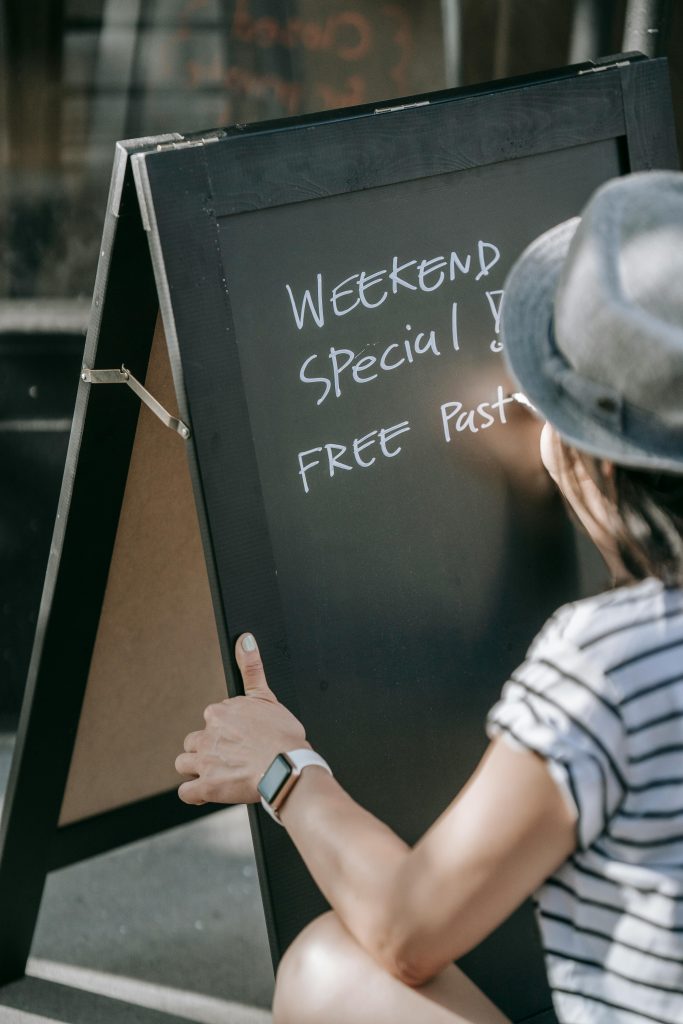
Your physical presence matters just as much as your digital one. Signage should be readable at a glance, menus should be easy to understand, and lighting should make the space feel welcoming rather than closed off. Streetside visibility is silent marketing that works every day without effort. If people cannot tell what you are from ten feet away, you are leaving business on the sidewalk.
Social media supports this awareness, but it should not be mistaken for discovery. Most people use it to confirm a decision they are already leaning toward. An active page reassures them that you are legitimate, open, and consistent. It becomes part of trust-building, not the starting point.
The next stage is conversion, and this is where many restaurants quietly lose sales. Once someone decides they want your food, the path to buying needs to be effortless. Reservations, online ordering, and delivery should be obvious and fast. Every extra click is an opportunity for hesitation to turn into abandonment.
In 2026, convenience is not a competitive advantage. It is the minimum expectation. If it is easier to book a table or order food from someone else, that is where the sale goes. Restaurant Sales are often lost not because of price or quality, but because of friction.
The biggest failure point for restaurants, however, comes after the first visit. A guest eats, enjoys the experience, and leaves satisfied. Then nothing happens, and the relationship ends there. That silence is a missed opportunity.
Customer data is not about discounts or constant promotions. It is about having permission to talk to people who already like what you do. Email, text messages, and reservation history give you the ability to invite those customers back intentionally. Without a follow-up plan, every visit stands alone.
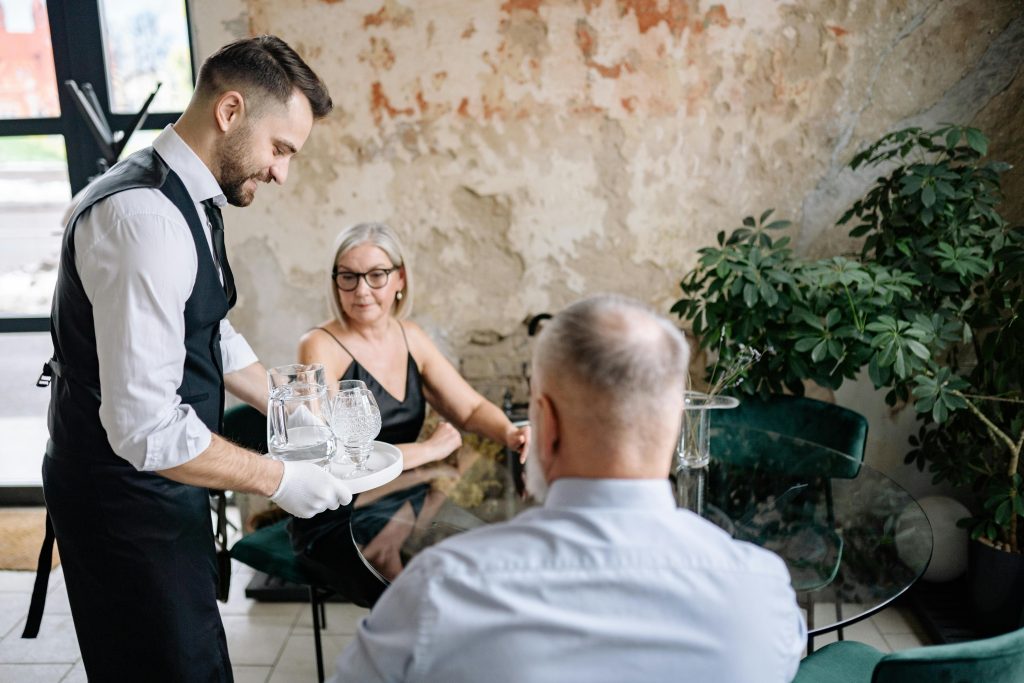
This is where growth becomes controllable. Specialty menus on slower weeknights, limited-seat tastings, and preset food and drink pairings create reasons to return. When promoted weeks in advance, these experiences feel curated rather than reactive. They increase monthly visits and help fill seats that would otherwise sit empty.
Be proactive.
Waiting for customers to remember you is not a strategy. Giving them a reason and an invitation to come back is.
All of this only works if the product holds up. Quality food and drink at a fair price still close the deal every time. Focus matters more than variety, which means offering fewer dishes and executing them perfectly. Consistency builds trust faster than an oversized menu ever will.
Feedback is part of protecting that quality. Make reviews easy through scannable QR codes and use systems that allow you to intercept low ratings before they go public. That gives you the chance to fix problems instead of being defined by them. Listening does not mean abandoning your vision, but it does mean taking patterns seriously.
The formula for getting more restaurant business in 2026 is not complicated, but it does require discipline. Maximize the value of your best customers. Make buying easy. Use slower days strategically and reward loyalty intentionally. Protect quality at every touchpoint.
That is what modern Restaurant Marketing actually looks like when it works.
And if you are unsure how to connect these pieces, the right Restaurant Marketing Agency can help bridge the gap. At Turnkey Processing, we work with restaurant owners on marketing consultation, menu design, POS setup, websites, and online ordering as part of one cohesive system. The goal is to reduce chaos, increase control, and build momentum that lasts.